Photo by Owen Serra
Olivia Hong
Opinions Reporter
Train travel is one of the most environmentally friendly modes of motor transport in the world. In Massachusetts alone, MBTA riders took 1.26 million daily trips pre-pandemic in 2019. Around 66% of Boston residents have a car, and the other 34%, as well as teenagers, have to find other methods of transportation. Parking in the city is also difficult, so many people park at T-stops and take the T into the city.
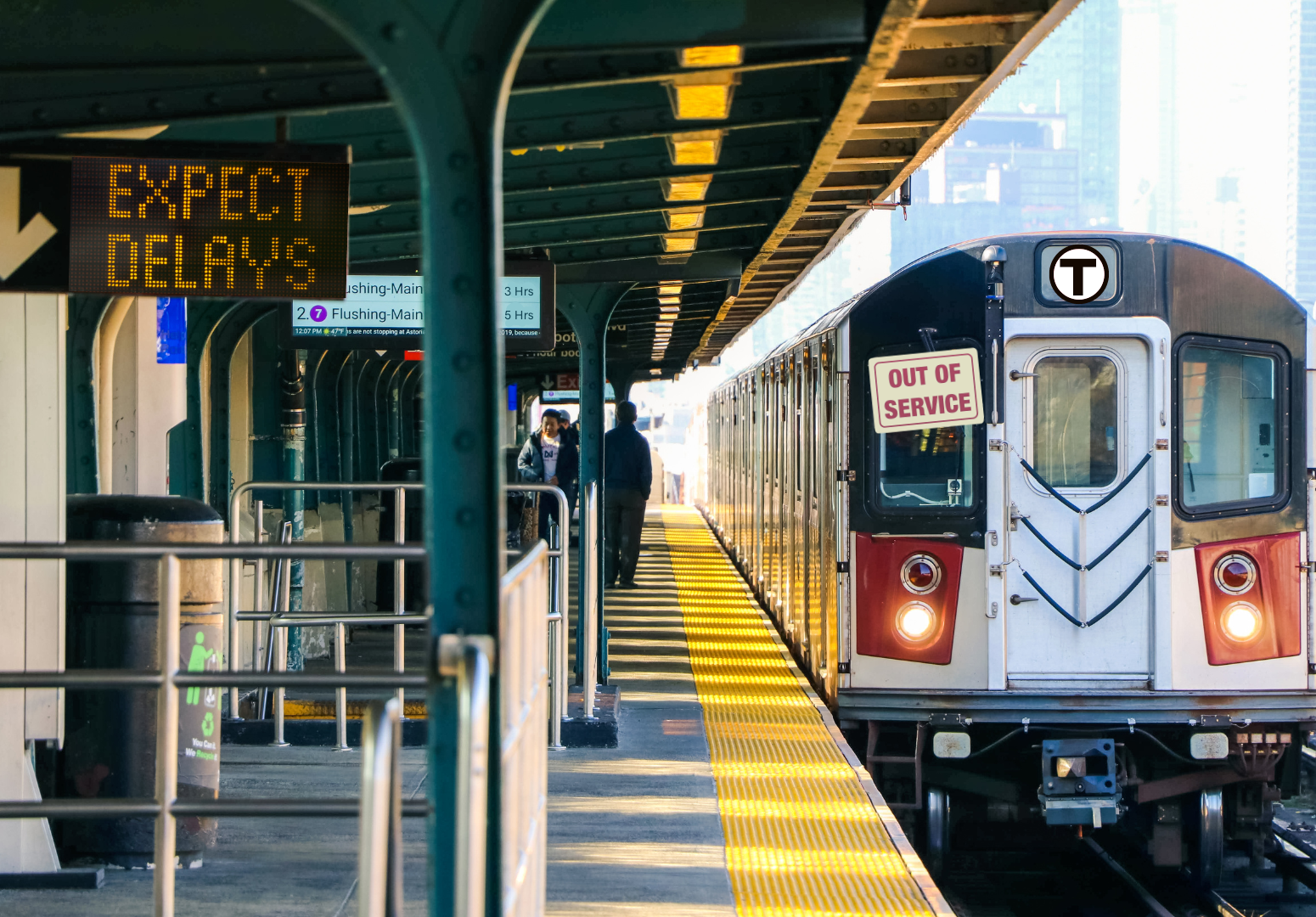
Over the past couple of years, MBTA lines have been shut down intermittently for repairs, updates, and maintenance. When the trains aren’t running, they are replaced with shuttle buses. Recently, the entire Orange Line was shut down from August 19 through September 18. People rely on the Orange Line to get to work and school, and many others rely on it for convenience. Before it shut down, the Orange Line facilitated around 100,000 trips every single day. For a month, Orange Line riders had to turn to alternative modes of transportation like the shuttle buses, which take much longer than the T due to traffic and longer wait times at stops. Some daily commutes even doubled due to these detours. Traffic also increased due to more commuters using cars as an alternative to the train.
When asked about the disruptions, Boston Mayor Michelle Wu said, “This will condense years of work into one sitting. Again, it’s not ideal by any stretch for our Boston residents, and workers, students, people coming back into the city. I’m hopeful that this means we’ll see better service afterward.”
Yes, the shutdowns are used for good causes like repairs and improvements, but these changes could have been made during the height of the pandemic when commuter statistics were low, and shutting the train lines down would have affected fewer people.
Now, living in Newton, not many of us use the Orange Line daily. The Green Line, on the other hand, is a different matter. Many high school students take the T to travel to the city for various reasons or even just to get around Newton. As someone who lives next to a T station, I see people walking home from the T after work every day. Now it has been announced that the D Branch (Riverside) will close for three nine-day periods between September 24 and October 30.
I myself experienced the inconvenience of this change. As a high schooler who took a trip to Boston for an outing with her friends, I had to wait 30 minutes for the shuttle bus to arrive at the Reservoir station on the way home, and it took 45 minutes to get back. The ordeal made me miss my curfew by an hour. Others have more important matters where even a 30-minute would cost them much more than a scolding from their parents.
Many people rely on easy and convenient public transportation, and shuttle buses create more traffic, are delayed by it, and cost valuable time for riders. There have been reports of malfunctions and setbacks despite the fact that the trains have been closed for maintenance and expansion. We must find an alternative way to successfully improve the trains and maintain the same amount of commuting time and convenience for riders.