

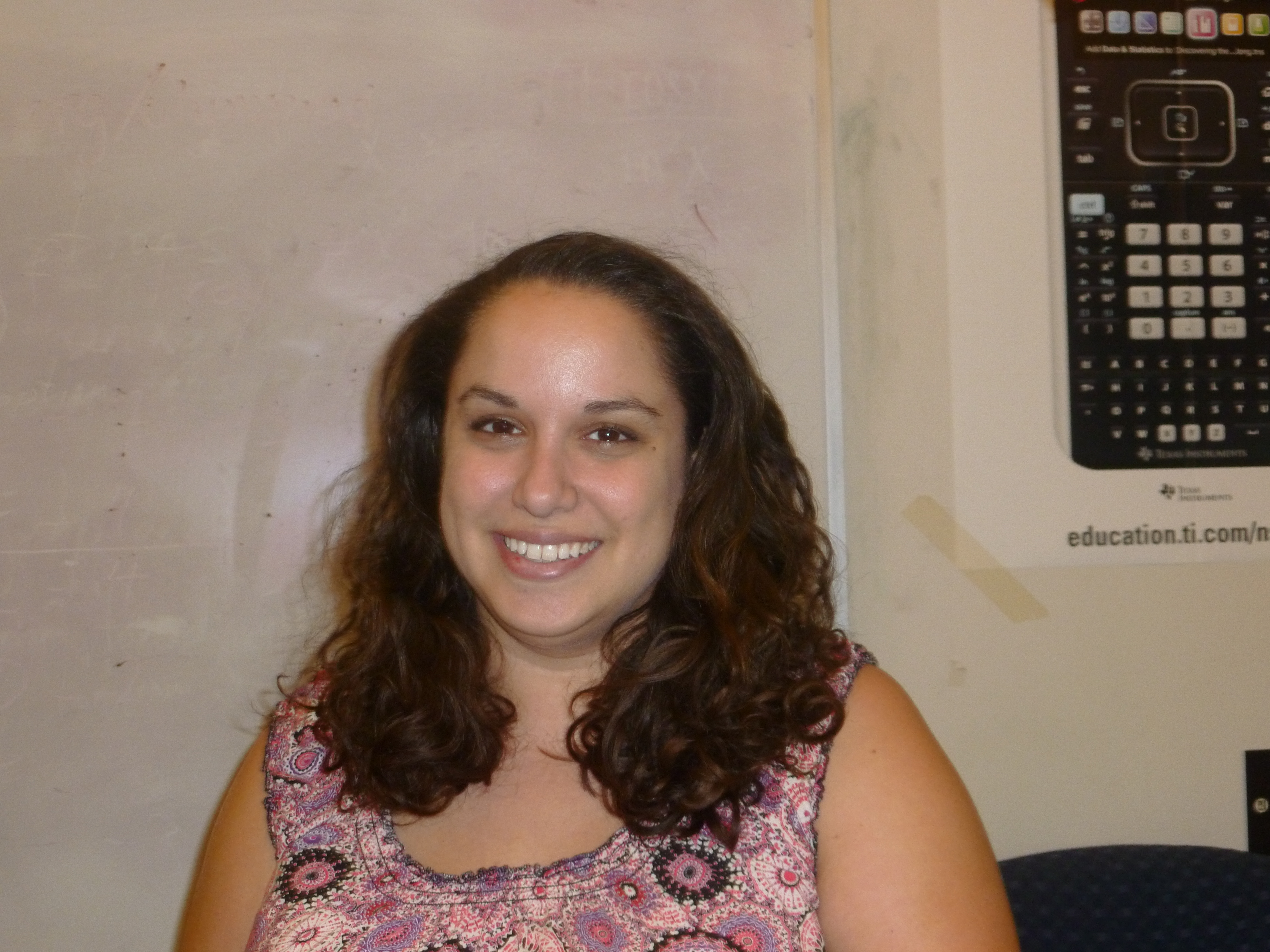
Haley Teich
“It’s a day where I get to reflect on my life and how I want to improve it in the year to come.”
How do you observe Yom Kippur throughout the day?
I go to synagogue the night before [Yom Kippur], the morning of, and depending on the [night of the week], the night of. I have done it every year except one year when it just wasn’t feasible, so my sister and I reflected on our lives.
I don’t watch TV, I don’t write, growing up I didn’t drive, but I have to now in order to get to synagogue, and I fast.
How is Yom Kippur this year different for you than in past years?
This year, I joined a new synagogue. It’s the first time I’ve actually joined one up here – when I was in college, I went to services [there] and I’ve been traveling back to my parent’s house to go their synagogue most years.
But last year, I went to this synagogue in Lexington and I felt comfortable so I joined, and as a new member they decided to give me the honor of opening the arch [tomorrow].
What does Yom Kippur mean to you?
It’s technically the Day of Atonement, so for me it’s a way to reflect on things that I’ve done over the year that I may not be so proud of, ask for forgiveness from people I may have hurt intentionally or unintentionally, and then to reflect upon how I can change for the better in the year and years to come.
How do you feel about having the day recognized as a school holiday?
I’m very glad that the school district has the day off. I know not everywhere – in fact, the town that I lived in does not have the day off in the public schools. It’s very helpful for me because I don’t need to request a day off from work because it’s the day that, religiously, I would not feel comfortable [working].
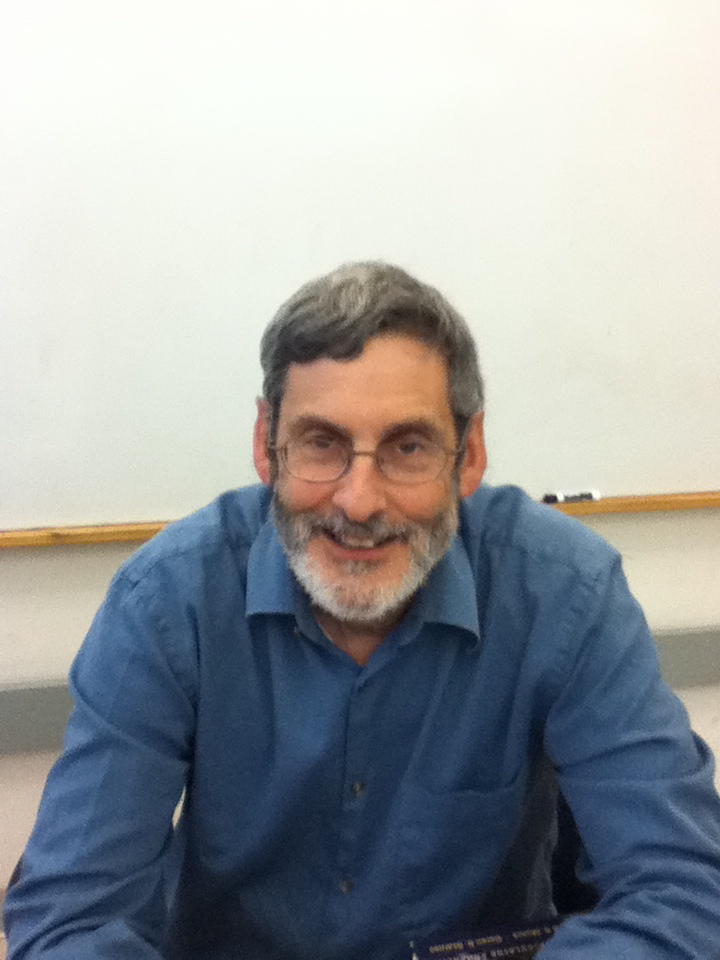
Jeffrey Stulin
“It is an internal contemplation on God, the universe, and morality.”
How do you observe Yom Kippur throughout the day?
I don’t eat or drink anything, wash, brush my teeth, and don’t do anything involving fire — which in Judaism, includes no electronics — from sunset [Tuesday] until sunset on Wednesday.
I will be in temple tonight for hours and then go home — no food, drink or washing — and go back to temple services, which for my particular branch of Judaism will go from 9 a.m to 1 p.m. Then I will go home for a few hours and at about 5 pm go back to temple, until a little after sunset, until we see some stars in the sky. Then we’ll have a snack — maybe a little cup of orange juice and a cookie.
If it’s a good day, nobody faints, because it’s a lot of standing in service, it’s very hot, and we have nothing to eat or drink for 24 hours. Then the blast of the horn ends service in a very ceremonial way.
We’re supposed to spend most of the time in temple, and the most important prayer of the year is at sunset [Tuesday]. It is a prayer which asks God to free us from any promises we have made to God, because it is human nature to make promises that are impossible to keep.
What important misinterpretations of the holiday should people be aware of?
In the Middle Ages, people were persecuted for this prayer, because it was interpreted wrongly as asking freedom from the promises we make to people — as in a written contract. But the prayer is only asking freedom from the promises we have made to God.
What does Yom Kippur mean to you?
It’s a community as a whole asking forgiveness for the community’s sins.
Many Jews who are not observant during the year observe this day. Even temples which are usually uncrowded during regular services are likely to be overflowing.
It is a holiday of denials — remembering people who are denied food and drink. We step out of our lives and think about people for whom this is not just a one-day thing but is the mainstay of their lives. We are understanding the circumstances of others’ lives and trying to become better people.

