
By Vanessa Chen
“I don’t believe for one second that digital imaging or digital technology will ever take away the humanity of storytelling because storytelling in and of itself is a wholly human concern,” said David Fincher in an interview for “Side by Side” (2012, dir. Christopher Kenneally)
Digital technology frees the filmmakers and allows for more innovative ideas. Film today is already at the zenith of the photochemical process, whereas digital will continue to skyrocket. It’s the death of film—but not in the artistic sense. True film is less about how reality is captured and more about how a storyteller manipulates reality to express his or her vision.
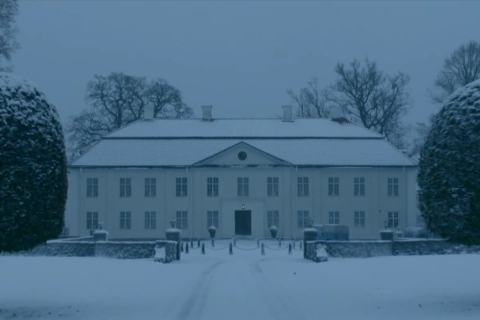
Digital Age exemplar, “The Girl With the Dragon Tattoo” (2011, dir. David Fincher), was shot on RED cameras (EPIC and One). It’s a breathtaking and thrilling journey that completely reinvents how films are created and exhibited. Despite the fact that it used more than 1,000 VFX shots, the enhancements were not discernable. It’s the way in which Fincher uses digital technology that others can learn from. Even on the fifteen viewing, “Dragon Tattoo” never fails to impress me; it’s a movie ahead of its time.
The benefit of digital technology is its immediacy. Instead of having to wait a day for rushes, the director can see what he or she is getting on-set, allowing for greater creative control. The same applies to post processes. With digital, there are more choices in terms of what one can do with the storytelling medium.
The digital advancements in post-production are incredible. Digital color correction and the DI process pushes the art form and ultimately changes the nature of storytelling. Digital cameras now have better resolution and dynamic range than film cameras. They are becoming more advanced and inexpensive. As a result, capture, storage, and projection of movies have been revamped. With digital, the way people experience movies changes.
But it’s not a bad thing. Unfortunately, a lot of commercially successful movies using digital processes have been vacuous, but it’s only the beginning of digital. Filmmakers now seem intent on exploring the possibilities digital can offer. As a result, many movies end up valuing research over telling stories. The focus is in the wrong direction.
Although there are more bad ideas, there’s also an astounding amount of truly creative visions. Independent cinema has flourished within the past few years due to technology. With a lower budget, filmmakers gain more freedom and creative control over their work. They get the opportunity to be more provocative; ergo better movies are made.
Digital changes the way the audience views cinema. It enables filmmakers to have more options, and ultimately have more choices to realize their vision. Although film will always be an alternative, it will no longer be the gold standard. Because like everything else, cinema evolves.
Vanessa’s Digital Age Recommendations: “Winter’s Bone” (2010), “Blue Valentine” (2010), “Drive” (2011), “Hugo” (2011), “Melancholia” (2011), “The Girl with the Dragon Tattoo” (2011), “Magic Mike” (2012), “Cosmopolis” (2012), “Side Effects” (2013), and “The Counselor” (2013).


