By Sophia Franco
Arts Reporter
Held every February, the Oscars is one of the biggest nights of the year for actors, directors and screenwriters. On that night, the Academy of Motion Picture Arts and Sciences doles out awards in categories ranging from Best Actor/Actress to Best Director to Best Costume Design. The awards show is filled with winners, losers, and lots and lots of speeches.
In January, the Academy announced the list of people and movies nominated for awards. Immediately, the media was flooded with Oscar buzz, but the hype seemed to be less concerned with those who were on the list than those who had been left off it.
For the second year in a row, the nominee list for categories of Best Actor/Actress and Best Supporting Actor/Actress were filled entirely with white actors and actresses. In addition, movies like Straight Outta Compton and Creed, which featured mainly black casts, were passed over for categories like Best Picture and Best Directing.
It should be noted that an actor from Creed was in fact nominated. Sylvester Stallone, who revived his iconic role, Rocky Balboa, received a nomination for Best Supporting Actor while Michael B Jordan, who played Adonis Creed, a sort of modern-day Rocky, was snubbed.
The announcement about the Oscar nominees prompted several prominent black stars and directors to speak out against racism in Hollywood. Director Spike Lee, whose recent film Chiraq was also absent from the list of nominations, stated on Instagram that he would not be attending the Oscars this year because of its lack of diversity.
His statement has inspired notable celebrities like Will Smith and Jada Pinkett Smith to boycott the Oscars. Lupita Nyong’o, David Oyelowo, George Clooney, and Mark Ruffalo have also openly condemned the Academy’s choice not to nominate any people of color for Best Actor/Actress.
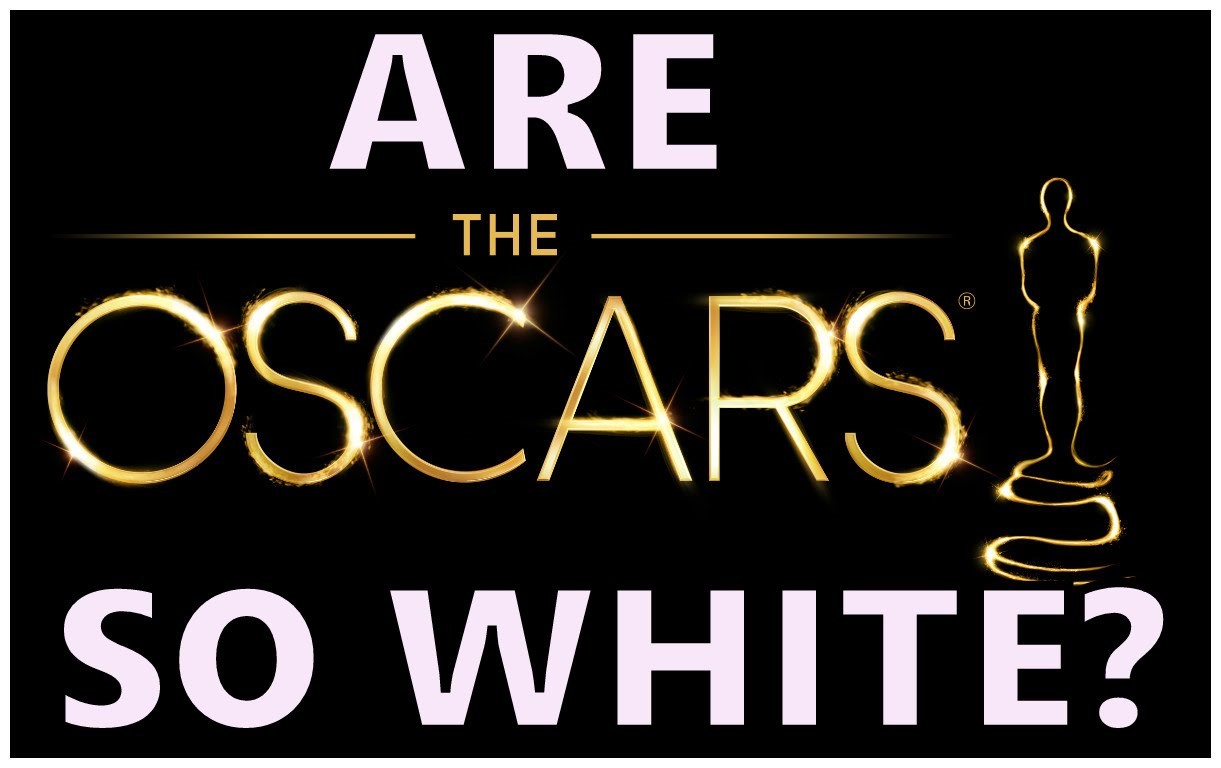
Social media also became a hotbed for protests, as people took to Twitter to express their frustration about the completely white list of nominations. April Reign, a blogger who writes about race and politics, coined the viral hashtag “#OscarsSoWhite” to criticize the awards show. In an interview with the Los Angeles Times, Reign stated that her disappointment in “the lack of diversity and inclusion with respect to the nominees” motivated her to speak out.
In response to the wave of disapproval, the president of the Academy, Cheryl Boone Isaacs, released a statement expressing her own regret over the lack of people of color nominated and promised that reform was on the way. Isaacs announced a plan to review the makeup of the Academy, the voting body comprised of prominent performers and celebrities in Hollywood. White males make up a whopping 72% of the group, with the average age of a white male member being 61.
While a critical reevaluation of how Academy members are chosen is certainly a step in the right direction, the issue of lacking diversity may not simply be confined to the Academy’s membership.
Of the 100 actors nominated for an Oscar in the past five years (including 2016), seven were Black, two were Hispanic, and none were Asian or Pacific Islander, Middle Eastern, or American Indian/Native Alaskan. An even closer look at the nominations reveals that five of the seven roles played by Black nominees were roles specifically designated for Black actors and actresses (slave, ex-slave, Somalian pirate, or maid in the South).
In Hollywood, the issue is not just that roles are seldom made for people of color, it’s that the roles revolve around them being a person of color. That’s not to say that it’s bad for an actor to play a role that explores a piece of their identity. There is, however, something to be said about the fact that actors of color are not allowed to simply play a character whose identity is not solely based on their race. Instead, they often must fill roles designated for their racial or ethnic group.
This criticism isn’t at all new. In her acceptance speech after winning the Emmy for Best Actress in a Drama, Viola Davis remarked that “you cannot win an Emmy for roles that are simply not there.” In the American film industry, the vast majority of movies portray the narratives of those in privileged groups. This makes it all the more painful when films centered around people of color are passed over by prominent awards ceremonies.
The controversy around the Oscars this year has been yet another example of minority groups turning public attention towards institutional oppression. Hopefully now, thanks to the voices of prominent celebrities and activists, both black and white, the Oscars won’t will no longer remain “so white.”